
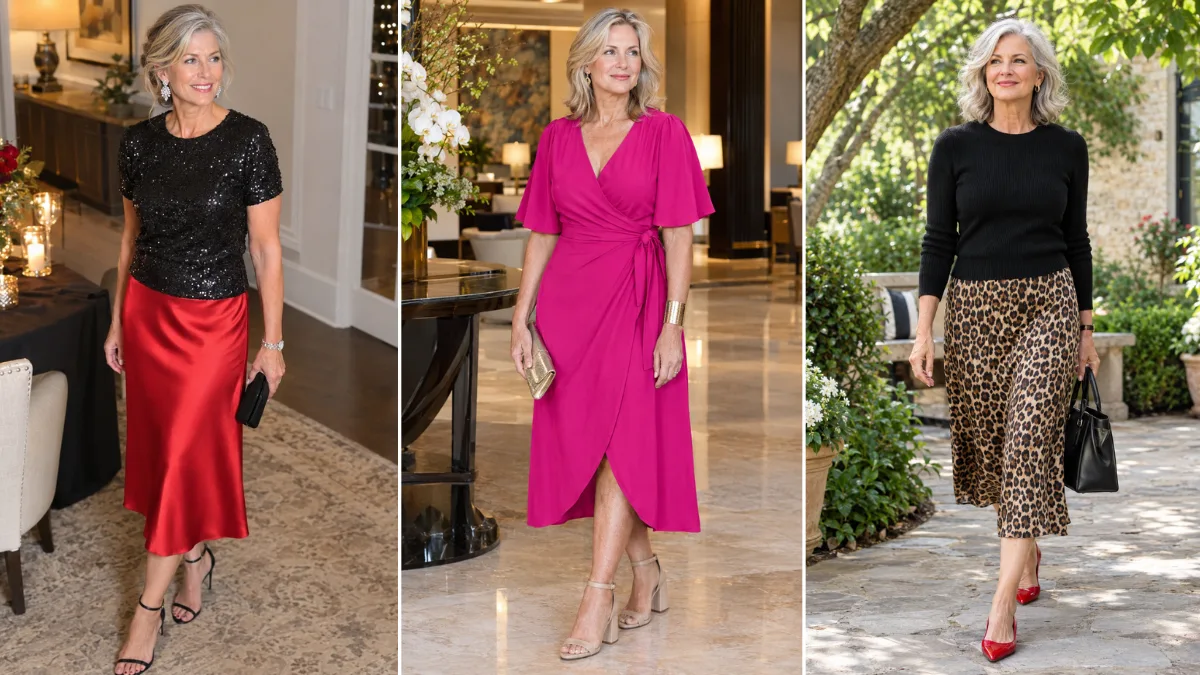
Wearing bold colors after 50 can feel tricky when your wardrobe is full of black, beige, navy, and other familiar shades.
You might love a bright pink blouse or a rich green blazer in the store, then wonder what to wear with it once you get home. The good news is that you don’t need a closet full of colorful clothes to create outfits that feel fresh and look polished.
The secret is to start with colors you enjoy, build around one standout piece, and balance brighter shades with clothes you already own.
Here you’ll learn how to choose bold shades, combine colors without making your outfit look busy, and dress for different occasions while keeping comfort in mind.
Gather These Wardrobe Basics
Shop your closet first. You may already have everything you need.
- One colorful top, cardigan, blazer, or pair of trousers
- Neutral basics in white, cream, beige, navy, gray, or black
- A pair of jeans or well-fitting everyday trousers
- One colorful scarf, handbag, belt, or piece of jewelry
- Comfortable shoes that work with your outfit
- A full-length mirror
- A spot near a window with natural light
- A notebook or phone to save outfit combinations you like
You may also like to check How to Look Younger With Your Outfits After 50 and How to Look Fabulous in Bright Colors Over 50 With Grey Hairs.
Step 1: Identify Bold Colors That Suit Your Personal Style
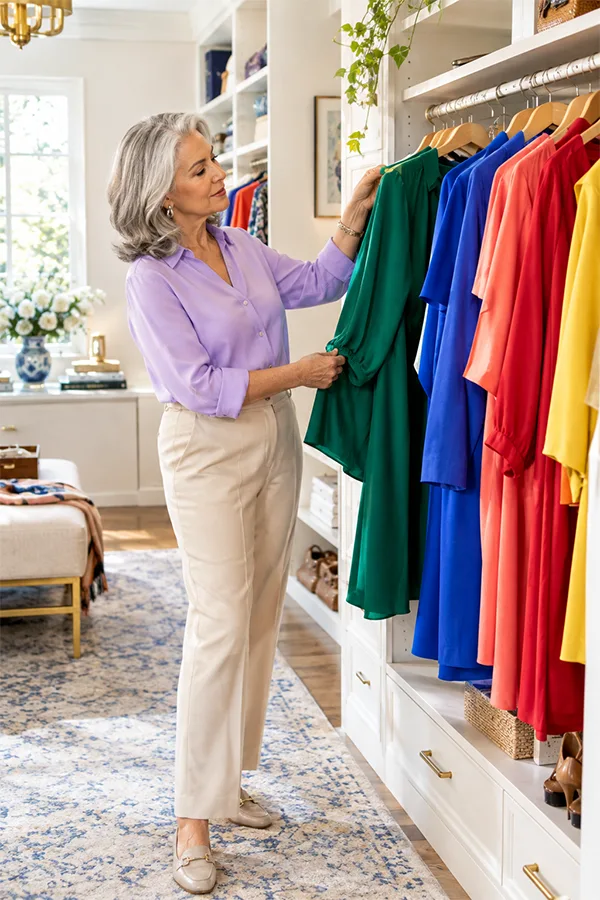
Before buying anything new, look at the colors already hanging in your closet. You may find that you own more color than you realize, perhaps in a patterned blouse, a floral scarf, or a cardigan you rarely wear.
Choose three shades you’d enjoy wearing, such as cobalt blue, emerald green, coral, ruby red, or fuchsia.
Hold each garment near your face in natural daylight and notice which shades you like best. Think about how each color works with your existing trousers, skirts, and jackets.
Your favorite color doesn’t have to follow a seasonal trend or a set of rules about skin tone. The goal is to find shades that make you feel comfortable and excited to get dressed.
Step 2: Start With One Bright Piece as Your Outfit’s Focal Point
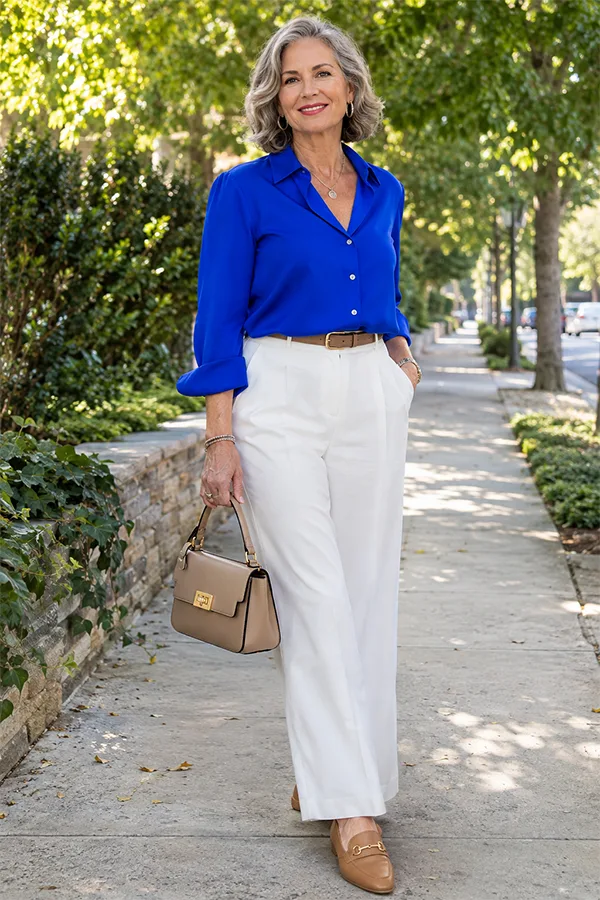
A single colorful garment gives you a clear starting point and makes the rest of the outfit easier to plan.
Choose a piece you already own or can see yourself wearing often, rather than buying something bright because it looks good on a mannequin.
Try one of these combinations:
- A cobalt blue blouse with white trousers.
- A coral cardigan with dark-wash jeans.
- An emerald blazer with a cream top and navy pants.
- A ruby red sweater with gray trousers.
Keep the other pieces in familiar shades for your first attempt. If the bright item is a top, let it take center stage while your trousers, shoes, and bag stay understated.
Step 3: Balance Shades With Classic Neutral Basics
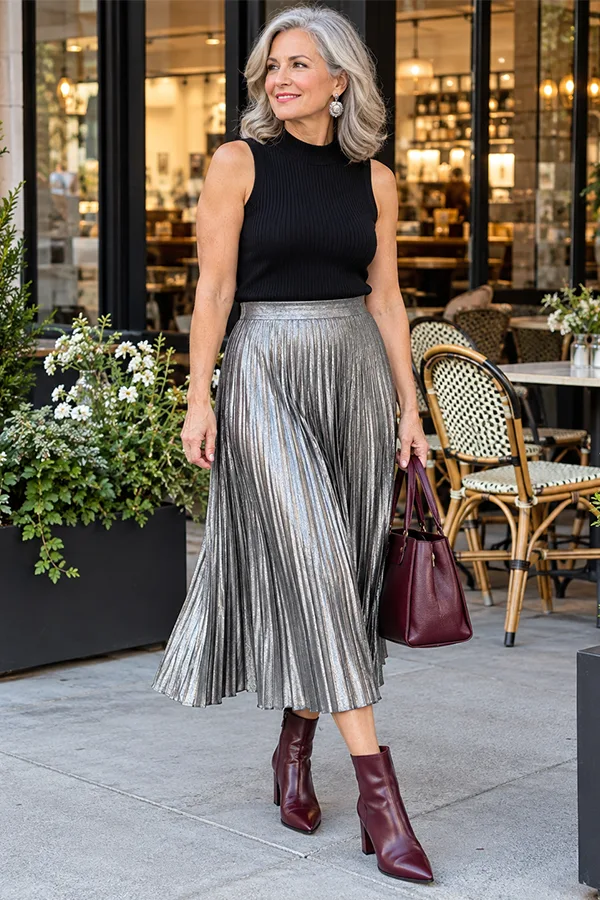
Neutrals give bright colors space to stand out without competing for attention.
This is especially useful if you usually wear muted shades and want to add color without changing your whole look.
Choose one bold shade and pair it with one or two neutrals.
For example: Wear a bright green top with beige trousers and tan flats, or style a red sweater with dark jeans and a black handbag. Cream and navy also work well with many saturated shades.
Pay attention to the overall balance in the mirror. If the outfit feels too strong, replace one colorful or highly detailed piece with a plain neutral item. You don’t need to match every accessory to your top.
Step 4: Create a Polished Outfit Around One Bold Color
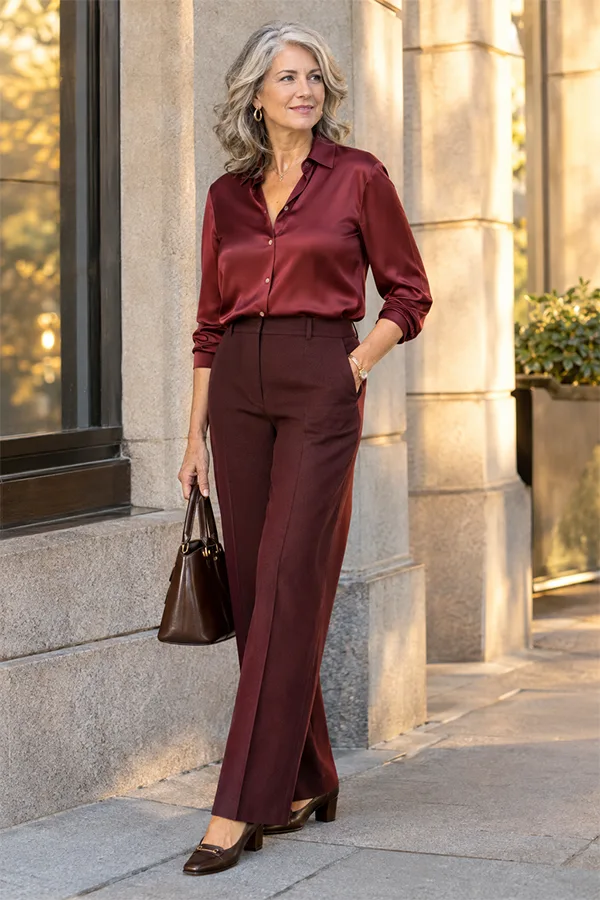
Wearing different pieces in the same color family can make an outfit look coordinated without requiring much planning.
This approach works especially well if you prefer a clean, put-together look but want to move beyond your usual neutral clothing.
Choose one color, such as royal blue, burgundy, or purple, and build your outfit around it.
Try a blue blouse with navy trousers and a slightly lighter blue cardigan. The shades don’t need to match perfectly; small differences in tone can give the outfit more depth.
If a full head-to-toe color look feels too strong, break it up with cream shoes, a beige handbag, or a simple white top. The aim is to create a clear color story while keeping the outfit comfortable for everyday wear.
Step 5: Bring Color Near Your Face With Tops and Scarves
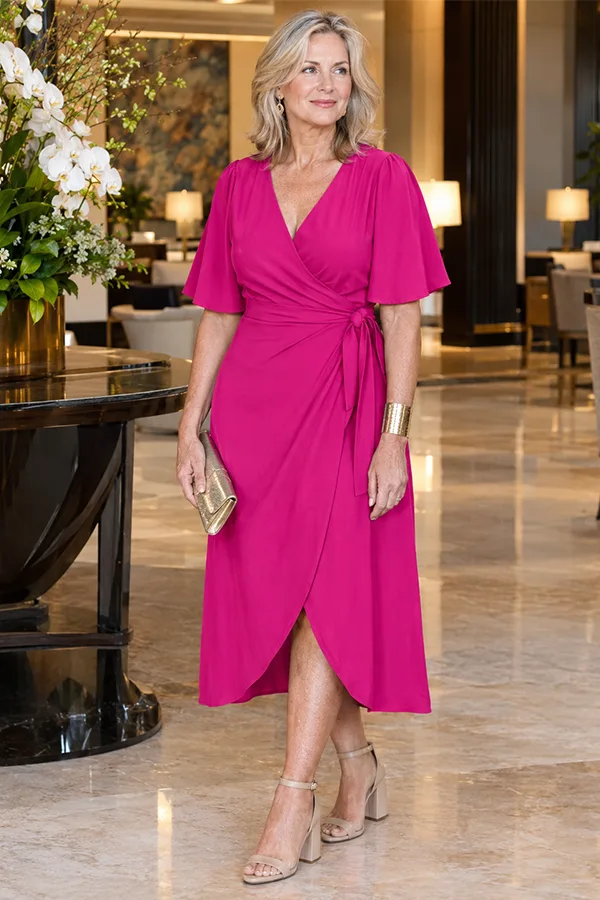
A colorful top or scarf can change the feel of an outfit without requiring you to replace your trousers, jackets, or shoes.
This is a useful place to start if you want to experiment with brighter shades while keeping most of your wardrobe familiar.
Try a coral blouse with cream trousers, or wrap a turquoise scarf around the neckline of a simple navy sweater.
If you already own a neutral jacket, wear it open over a bright top to let the color show without dominating the entire outfit.
Check the shade near your face in natural daylight. Compare it with another color you enjoy, and pay attention to which one makes you feel most confident.
You don’t need to follow strict rules about which colors women over 50 should wear.
Keep a lightweight, colorful scarf near your everyday coats and jackets. It gives you a quick way to add brightness when the rest of your outfit is neutral.
Step 6: Combine Two Bold Colors Without Making the Outfit Look Busy
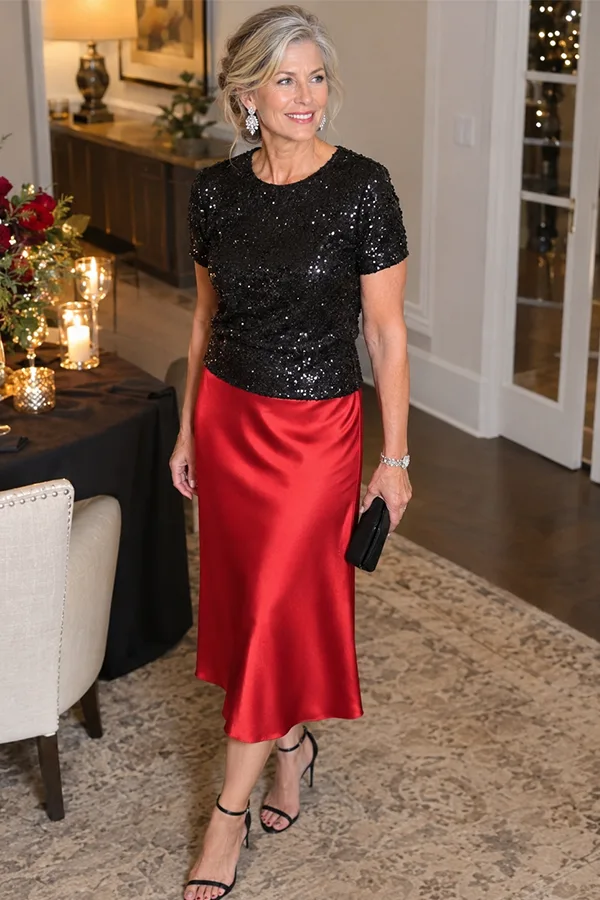
a pairing that looks intentional and give each shade enough space to stand out.
Start with one of these combinations:
- Pink and red: Wear a fuchsia blouse with a red cardigan or blazer.
- Blue and green: Pair a cobalt blue top with emerald green trousers.
- Purple and orange: Try a purple blouse with a small orange accessory if a full combination feels too bold.
Make one color the main feature and use the second in a smaller amount. Keep your shoes, bag, and jewelry simple so they don’t compete with the color pairing.
If two bright shades seem to compete, don’t abandon the combination immediately. Add a neutral layer, such as a cream cardigan or navy blazer, to separate the colors and soften the overall effect.
Step 7: Add Bright Accessories to Refresh Clothes You Already Own
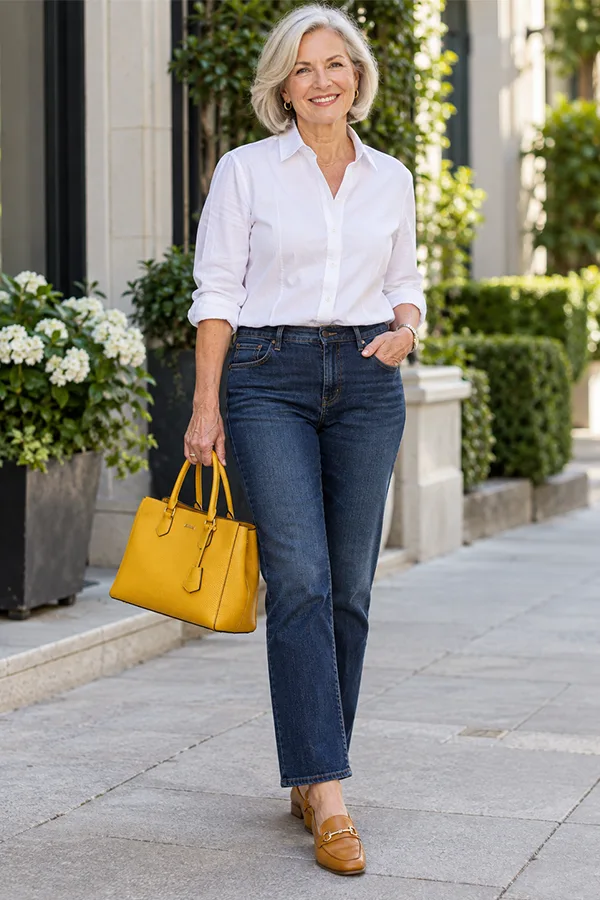
You don’t need to buy a bright dress or an expensive blazer to start wearing more color.
Accessories can bring new life to clothes you already enjoy wearing, making this a good option if you want to keep your wardrobe spending low.
Choose one colorful accessory and build an outfit around it. A red handbag works beautifully with a white shirt and blue jeans, while bright yellow flats can add interest to navy trousers and a cream sweater.
You could also try turquoise earrings or a colorful belt with a simple dress.
Check your existing shoes and bags before shopping. You may already own a colorful piece that has been sitting unused in your closet.
Step 8: Pair Bold Colors With Prints and Patterns Carefully
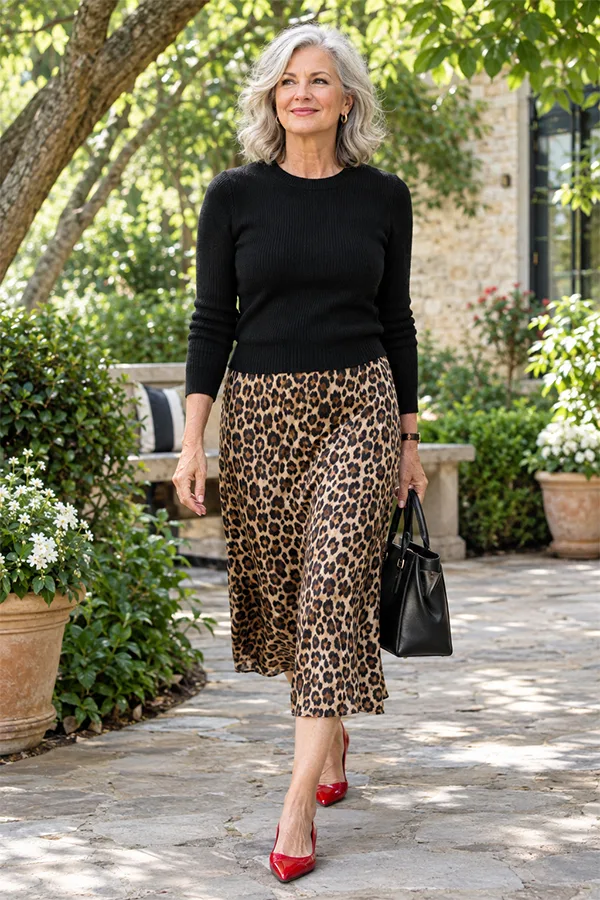
Prints can help you bring several colors into an outfit without having to work out every combination yourself. The trick is to choose a printed piece that includes a shade you can repeat elsewhere in your look.
Try a floral blouse with navy trousers, then add a cardigan in one of the colors found in the print.
A striped top also works well beneath a bright blazer when the stripes are fairly simple and the rest of the outfit stays understated.
If your printed garment already contains several strong shades, avoid adding another busy pattern.
Let the print do most of the work, and use plain trousers, simple shoes, and understated jewelry to keep the overall look balanced.
Step 9: Choose Cuts and Fabrics That Keep Bright Outfits Comfortable
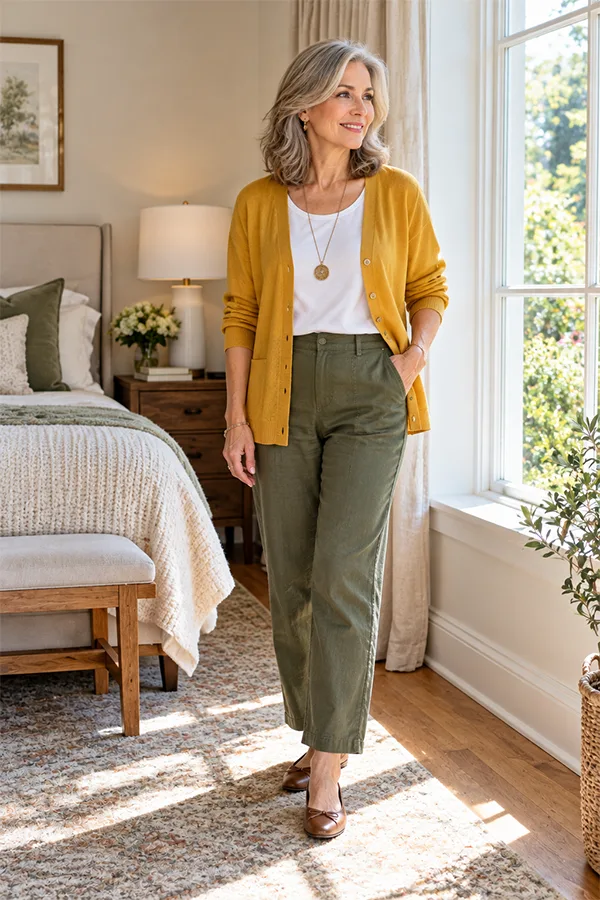
A color you love won’t get much wear if the garment feels uncomfortable. Before choosing a bright piece, pay attention to how it fits across your shoulders, chest, waist, and hips.
You should be able to sit, walk, and move your arms without constantly adjusting the fabric.
Look for breathable cotton, soft knits, linen blends, or fabrics with a comfortable drape. A relaxed cardigan in mustard yellow, for example, can work with straight-leg jeans, while a flowing jewel-tone blouse can pair well with tailored trousers.
Choose the cut that suits your personal taste rather than following a rule about what women over 50 should wear.
Check the garment in motion, too. Sit down, raise your arms, and walk a few steps. If the fabric pulls, clings in a way you dislike, or needs constant fixing, try another size or cut.
Step 10: Adapt Bold Colors for Casual Days and Dressier Occasions
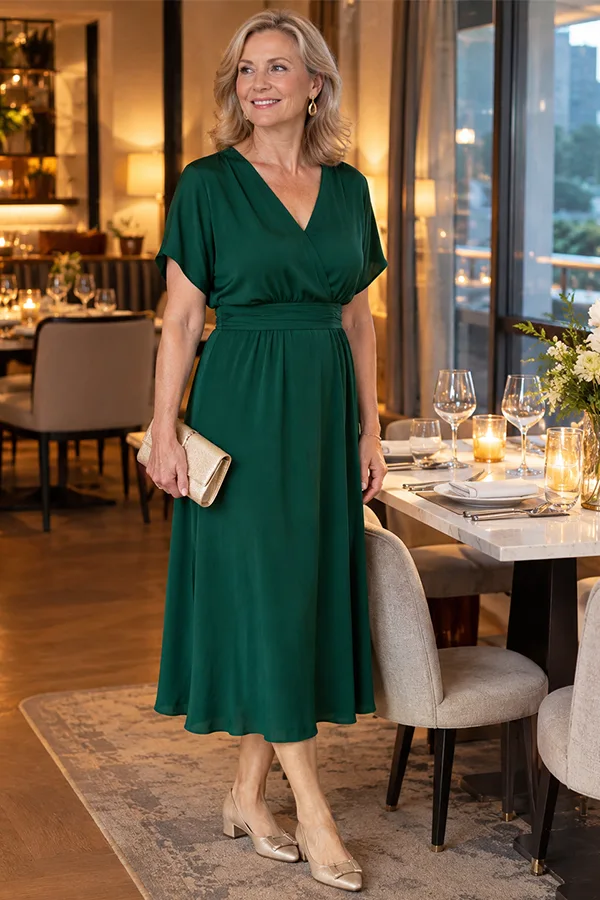
The same bold shade can work for a relaxed afternoon or a special dinner when you change the pieces around it. Instead of saving colorful clothes for rare occasions, look for ways to wear them during your normal week.
For a casual day, try a bright yellow cardigan with a white T-shirt, blue jeans, and comfortable loafers.
For dinner, wear an emerald green blouse with black tailored trousers, elegant earrings, and dressier shoes. A cobalt blue blazer can also work for lunch with friends or a smart-casual event.
Choose the occasion first, then adjust the shoes, layers, and accessories to suit it.
You can keep your favorite color in the outfit while changing how formal the overall look feels.
Step 11: Check Your Complete Outfit Before Heading Out
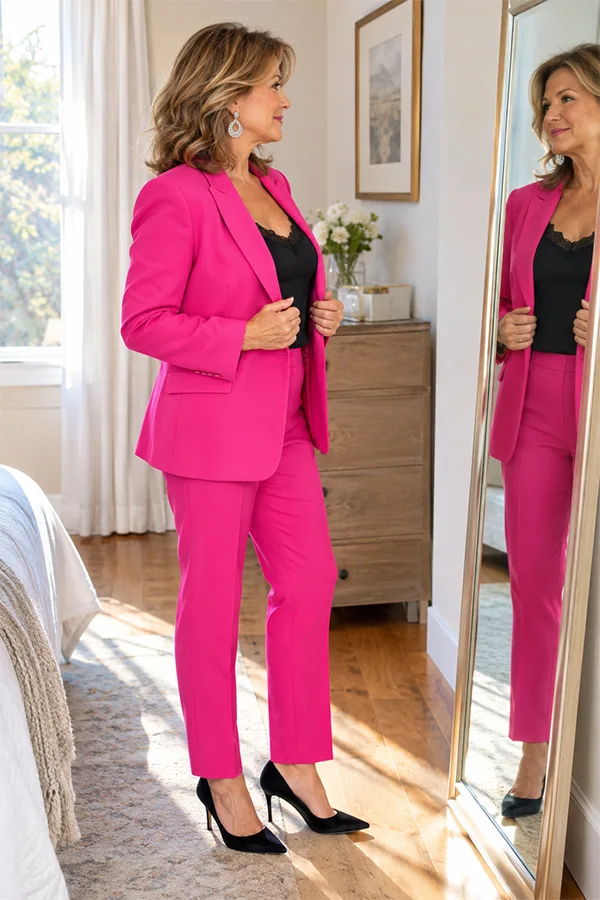
A final check helps you spot small details that can make a colorful outfit feel unfinished.
Stand in front of a full-length mirror near a window, where natural daylight can help you see the colors more clearly.
Use this short checklist:
- Color balance: Does one shade lead the outfit, or do the colors compete?
- Fit: Can you sit, walk, and move comfortably?
- Accessories: Does each piece support the outfit rather than distract from it?
- Shoes: Do they suit the occasion and feel comfortable?
- Overall look: Do you feel like yourself wearing it?
If something feels off, change one item at a time. Swap a bright bag for a neutral one, remove an extra accessory, or add a plain cardigan to soften the color combination.
How to Fix Common Bold Color Styling Problems
Bold Color Styling Over 50 FAQs
Can women over 50 wear bright colors every day?
Yes. Bright colors work for everyday outfits, from colorful knitwear with jeans to a bold blouse with tailored trousers. Choose shades and clothing styles that suit your routine and personal taste.
Which bold colors are good for beginners?
Cobalt blue, emerald green, coral, and ruby red are useful starting points. Try one shade at a time and see which works with the neutral clothes you already own.
How can I wear bold colors without looking overdressed?
Pair one colorful item with relaxed, familiar basics. A bright cardigan with jeans, a colorful top with navy trousers, or a bold handbag with a neutral outfit adds interest without making the look feel too formal.
Can I wear two bright colors in the same outfit?
Absolutely. Try combinations such as pink and red or blue and green. Let one color take the lead, keep the other in a smaller amount, and use neutral accessories if the combination feels too busy.
Do I need to buy new clothes to wear more color?
No. Start with colorful clothes, scarves, handbags, shoes, or jewelry you already own. Pair one of these pieces with your usual neutral basics before deciding whether you need anything new.
Conclusion
Wearing bold colors after 50 is about finding shades you enjoy and learning how to work them into your everyday wardrobe. You don’t need to buy everything new or follow strict fashion rules to look polished.
Start with one colorful top, cardigan, or accessory, then experiment with different combinations as your confidence grows. The best outfit is one that feels comfortable and reflects your personality.