
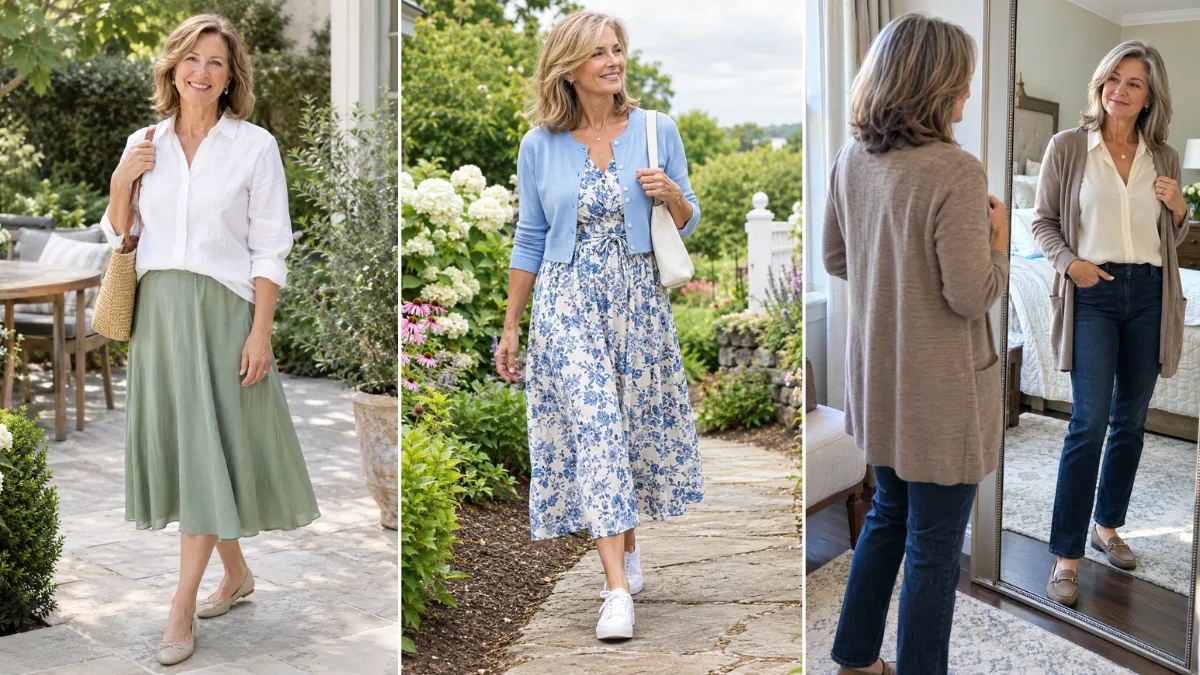
Looking younger with your outfits after 50 does not mean wearing clothes meant for women in their 20s or chasing every new trend. Sometimes, a few small changes make the biggest difference.
A pair of well-fitting jeans, a brighter top, or a jacket with the right shape can make your whole outfit feel fresh. The trick is to work with your body today, choose pieces that feel good, and wear them with confidence.
You do not need a new wardrobe to get started. Set aside about 25–30 minutes to review what you own and build outfits that feel modern, comfortable, and true to you. Also checkout how to dress like Sophia Loren over 50.
Your Outfit Refresh Checklist
Step 1: Choose Clothes That Fit Your Body Today
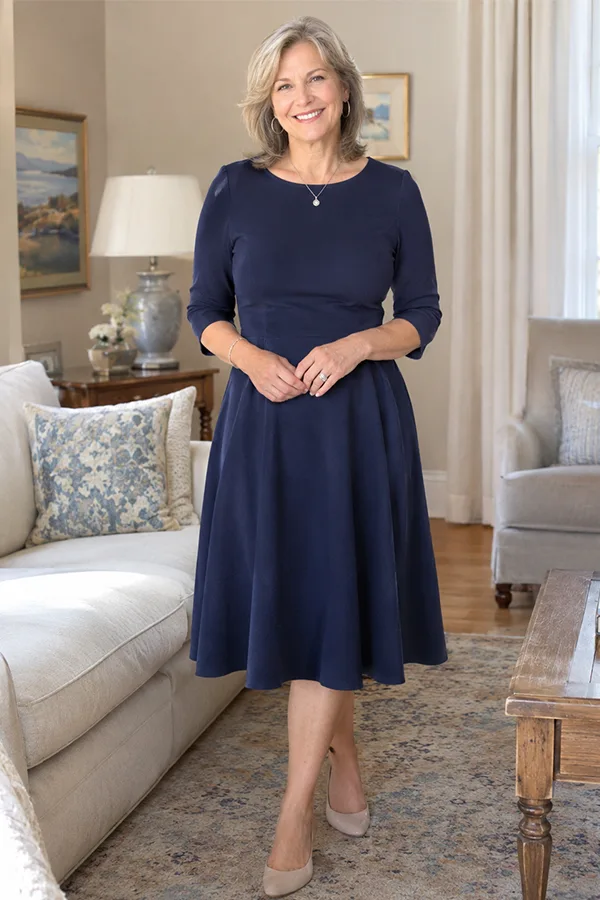
Your body may have changed over the years, and your clothes should work with those changes. A waistband that digs in, a shoulder seam that hangs too low, or trousers that bunch at the ankles can make an outfit look less polished than it could.
Start with three pieces you already own: one pair of trousers, one top, and one jacket or cardigan. Try them on in front of a full-length mirror.
Check that you can sit, walk, and raise your arms without pulling at the fabric. Keep the pieces that feel comfortable and sit neatly on your body. Set aside anything that needs altering or no longer fits well.
Step 2: Refresh Your Wardrobe With Modern Basics
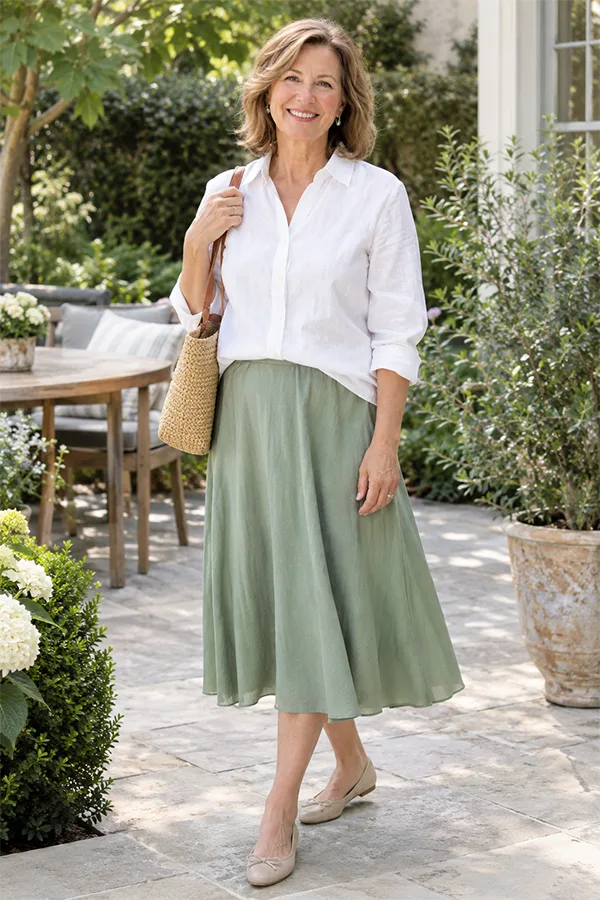
You do not need a closet full of new clothes to look current. A few useful basics can give older favorites a fresh feel. Look for pieces with clean lines, little fuss, and shapes that suit your daily life.
Choose one item from each group:
- Bottoms: straight-leg jeans, dark denim, or tailored trousers.
- Tops: a crisp button-down shirt, a soft knit, or a well-cut T-shirt.
- Layers: a neat cardigan, a relaxed blazer, or a lightweight jacket.
Build one complete outfit from these pieces before buying anything new. A simple white shirt with dark jeans and clean loafers can look more current than an outfit crowded with details.
If an item is worn, faded, or stretched out, decide whether it is worth repairing or replacing.
Step 3: Wear Colors That Brighten Your Face
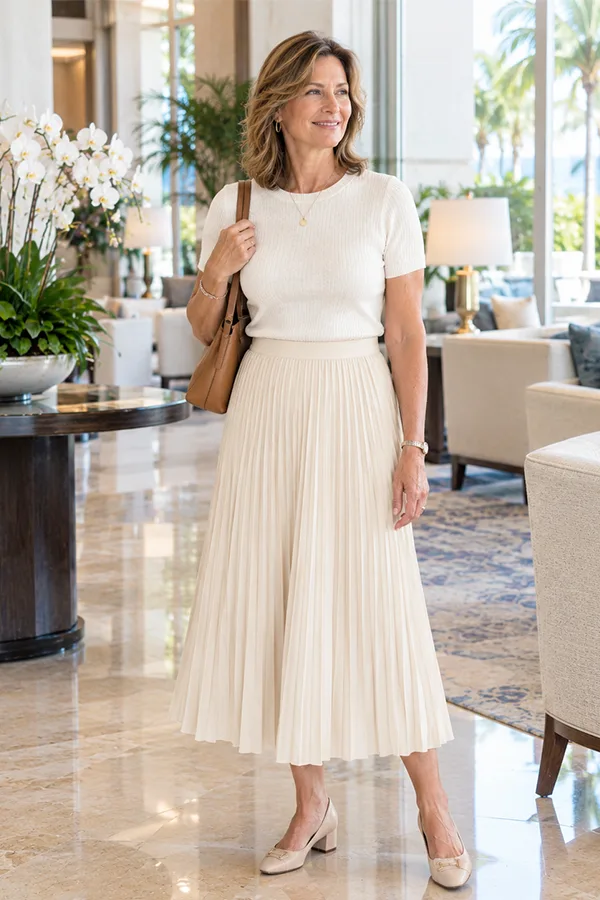
The color closest to your face can affect how fresh your overall outfit looks. If a dark or dull top makes you feel washed out, try a softer or brighter shade before replacing the whole outfit.
Blue, teal, coral, berry, and soft white are useful starting points, but the best choice depends on your skin tone and personal taste.
Stand near a window in daylight and hold two or three tops beneath your chin. Notice which shade makes you feel more awake and comfortable with your appearance.
You can keep dark trousers, skirts, or jackets in your wardrobe and add color through a blouse, scarf, or cardigan. There is no need to follow a strict color rule.
Yellow indoor bulbs and strong overhead lights can change how a shade looks against your skin. Check your outfit near a window before deciding that a color does not suit you.
Step 4: Balance Your Outfit Proportions
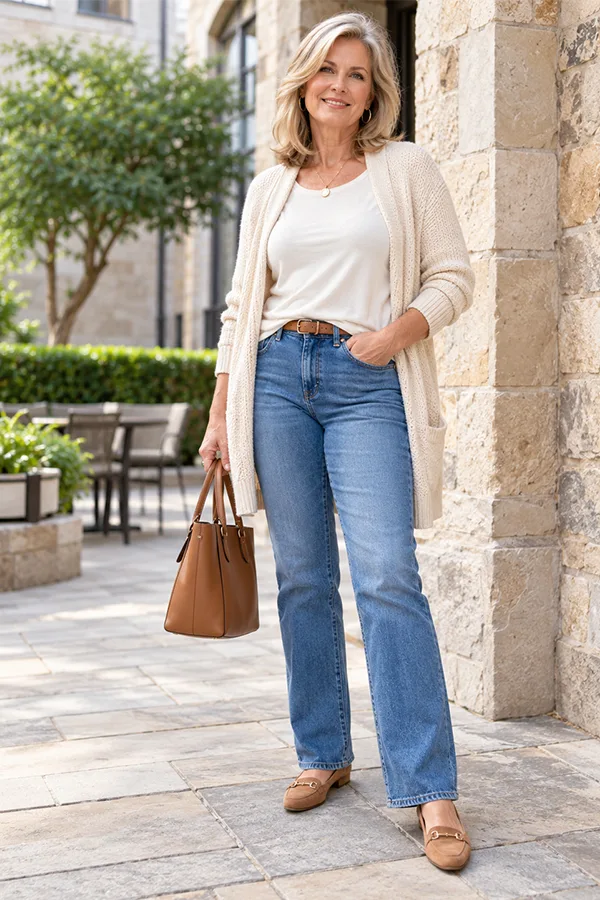
The secret to a balanced outfit is knowing where your clothes add volume and where they follow your shape.
Wearing a loose top with very wide trousers can sometimes make your outfit feel bulky, while tight pieces from head to toe may not give you the comfort you want. You do not have to hide your body or wear fitted clothes everywhere.
Try one of these combinations:
- A relaxed blouse with straight-leg jeans.
- A loose cardigan with slim, straight trousers.
- A slightly fitted top with wide-leg trousers.
- A hip-length jacket with a simple dress.
Check the outfit from the side as well as the front. If the clothes seem to swallow your shape, adjust one piece rather than changing everything.
Tuck the front of a soft shirt into your trousers while leaving the sides and back loose. This can show your waistline without making the whole top feel tight. If tucking is uncomfortable, choose a top that ends around your hip instead.
Step 5: Update Your Shoes and Everyday Accessories
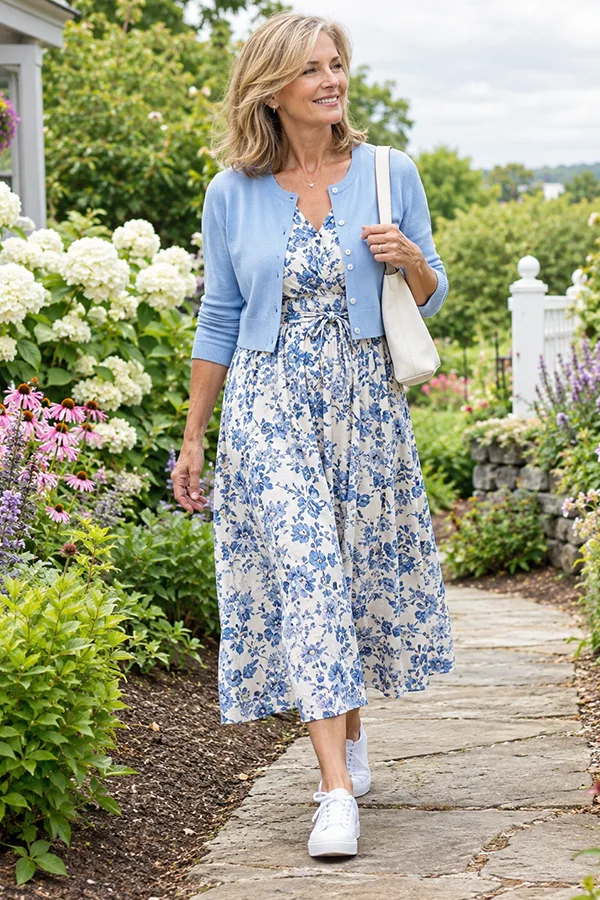
Shoes and accessories can change the feel of an outfit without requiring you to replace your clothes.
A favorite pair of jeans may look more current with clean sneakers, loafers, or ankle boots than with an old pair of shoes that look worn. Comfort matters, too, especially if you spend much of the day on your feet.
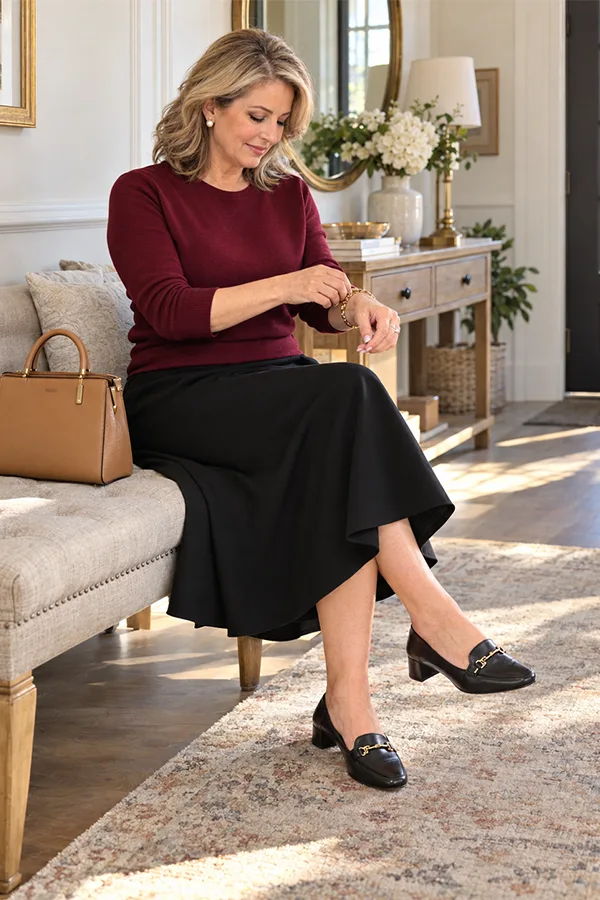
Choose one pair of everyday shoes that works with at least three outfits. Then look at your bag, belt, and jewelry. A neat crossbody bag, small hoop earrings, or a simple watch can finish a look without making it feel overdone.
Before buying anything, check what you already own. Clean your shoes, remove loose threads from your bag, and polish any metal hardware that needs attention.
Step 6: Add One Trend Without Overdoing It
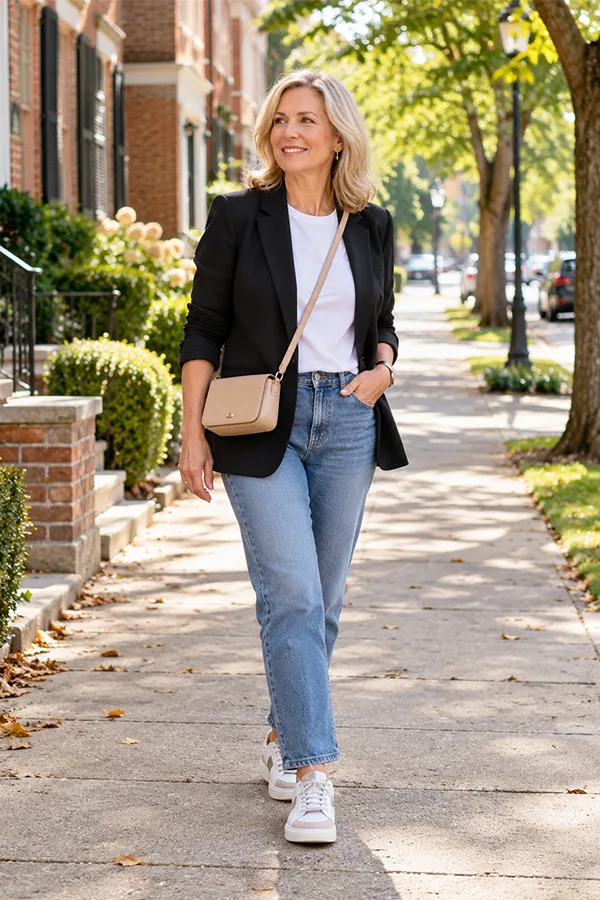
You can enjoy current fashion at any age without dressing like someone else.
The trick is to choose one modern detail that fits your taste, then let the rest of the outfit feel familiar. This keeps the look wearable rather than making you feel as if you are wearing a costume.
Pick one trend to try:
- Wide-leg jeans with a simple fitted or semi-fitted top.
- A relaxed blazer over a plain T-shirt.
- A colorful scarf with neutral clothes.
- Modern sneakers with a casual dress.
- A bag in a color you do not usually wear.
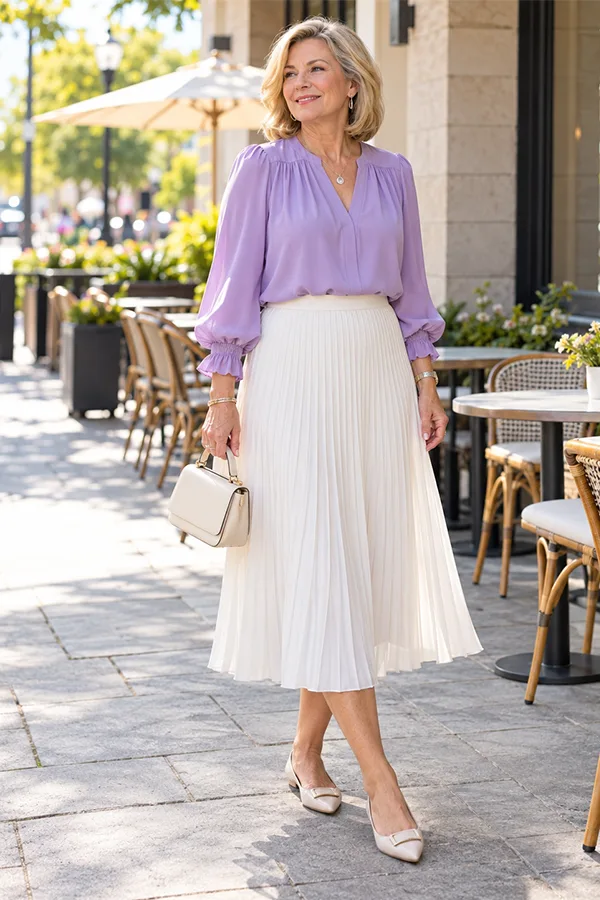
Try the new piece with clothes you already love. If you feel uncomfortable, change the trend or wear it in a smaller way. Fashion should give you more options, not make you feel that your age or body needs fixing.
Step 7: Layer Your Clothes for a Fresh, Polished Look
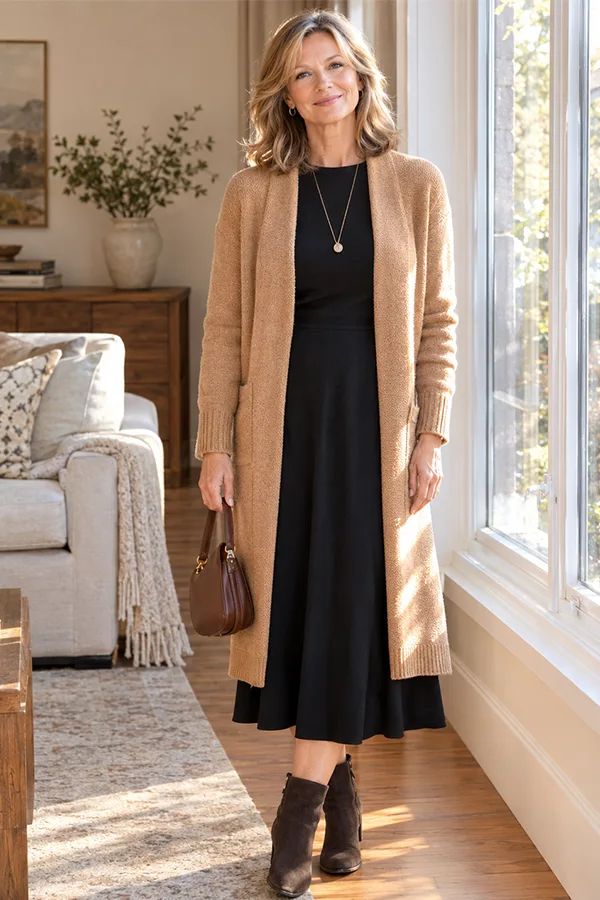
A good outer layer can make everyday clothes look more put together. The key is choosing a jacket or cardigan that sits well on your shoulders and works with the shape of your outfit.
You do not need stiff tailoring or heavy fabric to create a polished appearance.
Start with one layer from your wardrobe. Try a lightweight blazer over a plain top, an open cardigan with straight-leg jeans, or a short jacket over a simple dress.
Check that the sleeves end at a comfortable length and the shoulders do not pull when you move your arms.
If your outfit already has a loose top and wide trousers, choose a neater-fitting layer to avoid adding too much volume. In warm weather, an unlined linen-blend jacket or a light cotton cardigan can provide the same finishing touch without feeling heavy.
Step 8: Check Your Outfit Before You Leave Home
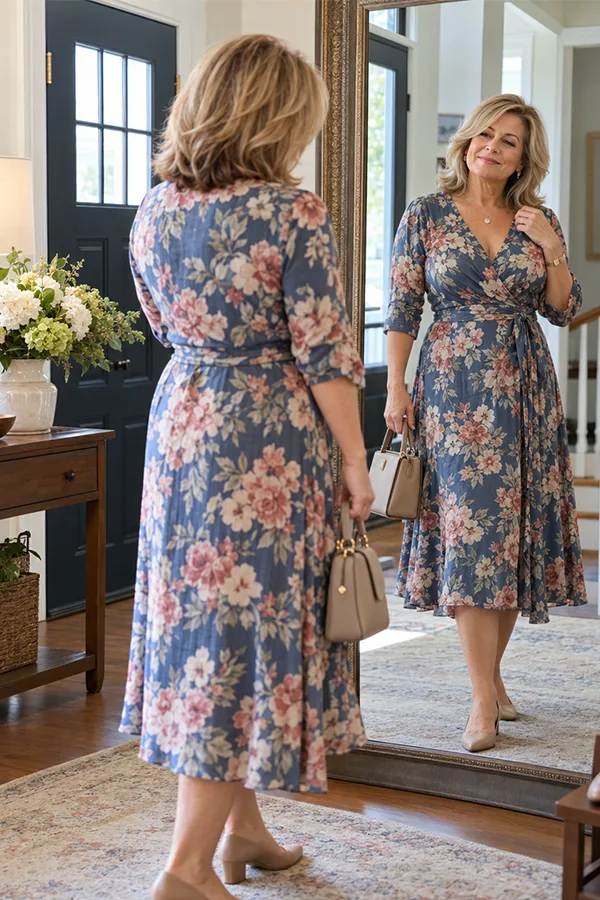
A final mirror check can catch small details that make a real difference. Give yourself two minutes before leaving home to look at your outfit from head to toe.
You are not searching for flaws in your body; you are checking that your clothes work together and feel comfortable.
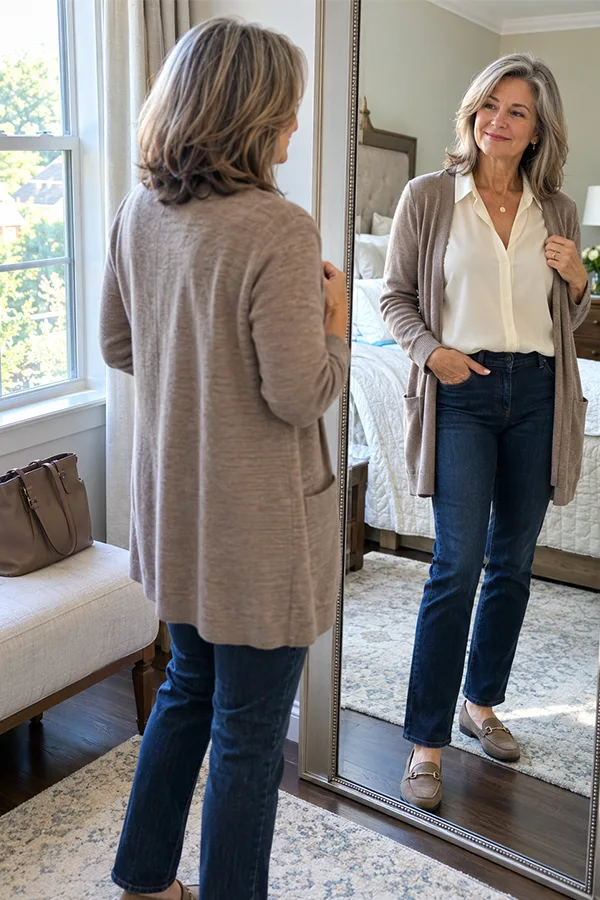
Use this short checklist:
- Fit: Can you sit, walk, and move without pulling at your clothes?
- Length: Are your trousers and sleeves sitting where you want them?
- Condition: Are there visible stains, loose threads, or creases that need attention?
- Balance: Does the outfit have a clear shape without feeling bulky?
- Finishing touches: Do your shoes and accessories suit the occasion?
Walk around the room and sit down once before deciding the outfit is ready. If one detail bothers you, change that detail rather than starting over. Take a photo of outfits you like so you can repeat them on busy mornings.
Outfits Troubleshooting Guide
Conclusion
Looking younger with your outfits after 50 starts with small changes, not a complete wardrobe makeover. Better-fitting clothes, fresh colors, balanced proportions, and comfortable accessories can help you feel more confident in your everyday style.
Start with one outfit today and see what feels right for you. Keep the pieces you love and make changes at your own pace. Save this guide to Pinterest so you can revisit these outfit tips whenever you need fresh inspiration.